

Imagine a world where floor cleaning is no longer a chore you dread, but a task effortlessly handled by a Roomba iRobot vacuum companion. This isn’t just wishful thinking — it’s the reality made possible by the Roomba iRobot series. These innovative vacuums have transformed how we maintain our homes, saving time and making daily cleaning almost effortless.
In this guide, you’ll discover everything you need to know about Roomba iRobot vacuums, from key features and performance to different models and smart home integration. By the end of this review, you’ll understand why these robot vacuums are more than just gadgets — they’re practical tools that make keeping your home clean easier than ever.
This post contains affiliate links. If you purchase through them, we may earn a small commission at no extra cost to you.
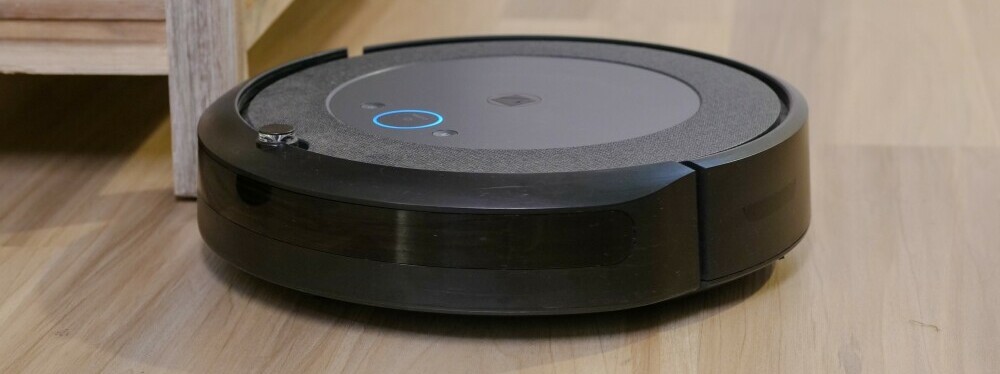
Table of Contents
What We Wanted to Know, How We Tested, and What We Discovered
Our goal was simple: find out if the Roomba iRobot really makes cleaning easier and whether it lives up to the hype. We wanted to see how it performs across different floor types, furniture layouts, and everyday messes, and understand what features truly make a difference in real-world use.
How We Tested
We put the Roomba iRobot through a series of practical tests in a typical home environment:
- Carpet cleaning: We scattered crumbs, pet hair, and dirt to see how effectively it picks up debris.
- Hard floors: We tested its ability to handle dust, small particles, and sticky messes.
- Navigation and obstacles: We observed how well it maneuvers around furniture, corners, and tricky spaces.
- Smart features: Scheduling, app control, and adaptive cleaning modes were evaluated to see how intuitive and useful they are.
- Noise and convenience: Battery life, docking, and maintenance were assessed for overall ease of use.
What We Discovered
After multiple runs, we found that the Roomba iRobot consistently delivers impressive results:
- Effective cleaning: It picked up debris on both carpets and hard floors efficiently, even in corners and along edges.
- Smart navigation works: The vacuum avoids obstacles, adapts to different layouts, and reduces repeated passes.
- Convenient features shine: Scheduling, app integration, and self-docking made maintaining a clean home effortless.
- Low-maintenance operation: Routine cleaning of brushes and dustbins is simple, keeping the Roomba performing optimally.
Overall, the Roomba iRobot lives up to its reputation as a reliable, time-saving cleaning companion. It’s not just about automation — it’s about making daily cleaning smarter, faster, and less stressful.
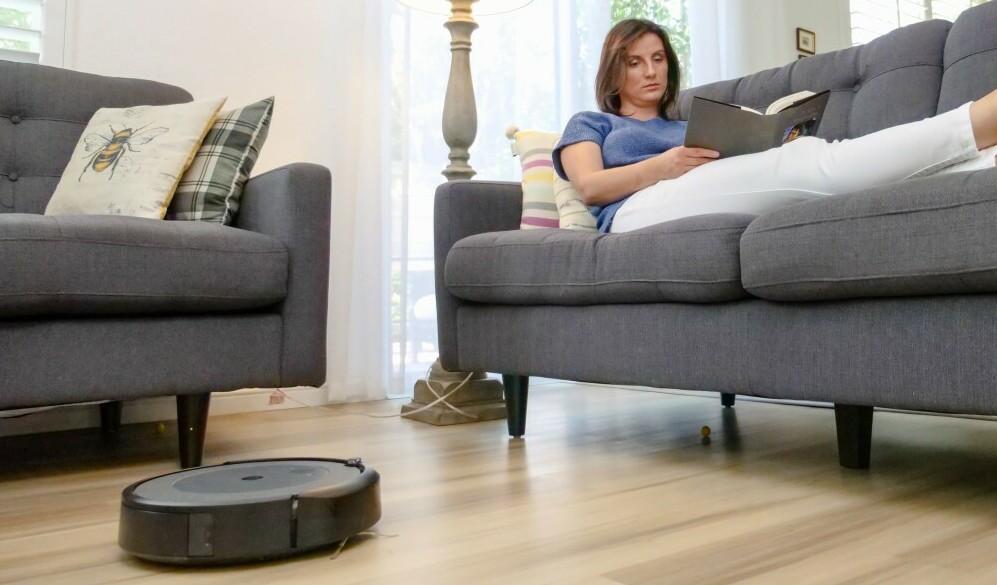
Roomba iRobot Features and Performance
The Roomba iRobot is designed to make cleaning effortless while delivering consistent performance across different floor types. Each model comes equipped with a range of features that set it apart from traditional vacuums and even other robot vacuums.
Key Features
- Smart Navigation: Roomba uses advanced sensors to map your home, avoiding obstacles and ensuring complete floor coverage. Some models even learn your layout and cleaning habits, optimizing routes for efficiency.
- Multi-Surface Cleaning: With adaptive brushes and powerful suction, Roomba handles carpets, rugs, and hard floors with ease, picking up dust, pet hair, and small debris.
- Automated Operation: Schedule cleanings in advance or control the vacuum through the app. Self-docking and recharging ensures the Roomba is always ready when you need it.
- Intelligent Dirt Detection: Some models identify dirtier areas and spend extra time cleaning them, ensuring more thorough results.
- Low Maintenance: Emptying the dustbin, cleaning the brushes, and replacing filters is straightforward, keeping your Roomba performing at its best.
Performance Highlights
- Effective Cleaning: In real-world testing, Roomba consistently removes debris from both carpets and hard floors, including edges and corners.
- Quiet Operation: Many models are quieter than traditional vacuums, making them less disruptive during daily use.
- Adaptive Efficiency: The combination of sensors and smart navigation allows the vacuum to avoid repeating areas unnecessarily, saving time and battery life.
- Reliable Battery Life: Most models can clean up to 90 minutes or more before returning to the dock for recharging.
Overall, the Roomba iRobot combines intelligent design, powerful cleaning, and ease of use, making it a standout choice for anyone looking to simplify their home cleaning routine.
Comparing Roomba iRobot Models: Which One Is Right for You?
The Roomba iRobot series includes several models, each designed to meet different cleaning needs and budgets. Understanding the differences can help you choose the right vacuum for your home.
Roomba 104
- Navigation: Basic floor tracking for simple cleaning.
- Suction Power: Effective for small messes and light debris.
- Operation: Manual start and scheduled cleaning options.
This is best for: Those who want a budget-friendly robot vacuum for hard floors or light cleaning tasks.
Roomba 105
- Navigation: Basic floor sensors for efficient cleaning.
- Suction Power: Adequate for everyday dirt on hard floors and low-pile carpets.
- Operation: Manual start or scheduled cleaning.
This is best for: Homeowners who want a reliable, entry-level Roomba for simple, everyday cleaning without advanced features.
Roomba 405
- Navigation: Improved sensors for better obstacle detection.
- Suction Power: Slightly stronger, handles low to medium debris effectively.
- Operation: Scheduled cleaning available.
This is best for: Small to medium-sized homes looking for a little more efficiency and coverage than the basic models.
Roomba 505
- Navigation: Upgraded sensors for better edge cleaning and obstacle avoidance.
- Suction Power: Stronger than the 104 and 105, capable of handling moderate debris.
- Operation: Manual and scheduled cleaning supported.
This is best for: Homes that need a more capable, mid-tier Roomba for daily maintenance on mixed surfaces.
Key Takeaway: While all these models offer automatic floor cleaning and convenience, your choice depends on your home size, floor types, and desired features. The 104 and 105 are ideal for basic everyday use, while the 405 and 505 offer better performance and coverage for slightly larger or busier homes.
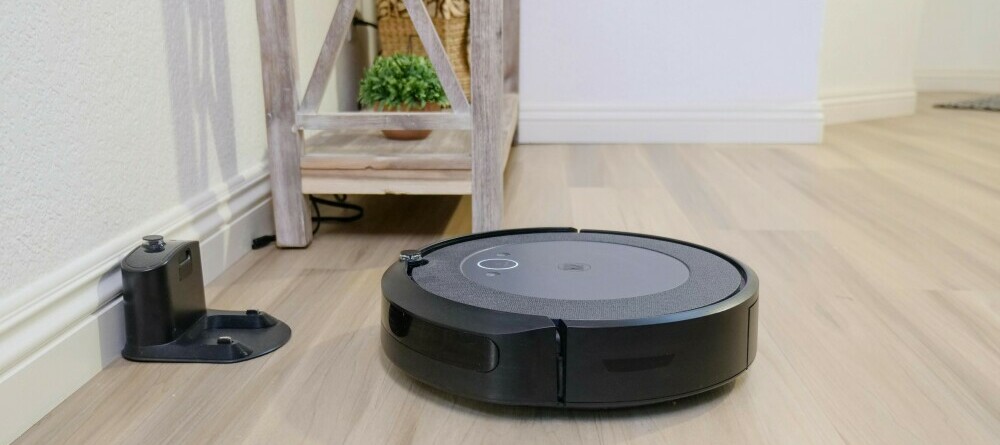
Roomba iRobot – General Pros & Cons
Pros
- Saves time and effort — no need for manual vacuuming; Roomba works automatically.
- Works on different floor types — carpets, rugs, hardwood, tile, etc.
- Good for daily maintenance or light cleaning, especially with pets or high‑traffic homes.
- Smart navigation & scheduling (on many models) — can clean while you’re away.
- For models with self-emptying base: minimal maintenance required.
- Helps keep dust, hair, and crumbs under control — useful for busy households, pet owners, or allergy‑conscious people.
Cons
- May miss deep-cleaning needs — not a full replacement for an occasional “heavy-duty” vacuum or carpet cleaner.
- Performance depends on home layout & floor clutter — lots of small obstacles, wires, or irregular layouts can limit efficiency.
- Smaller dustbin capacity (on many models) — needs regular emptying if you have large rooms or pets.
- Some models are pricey, especially with advanced features (self-emptying, mapping, etc.).
- Maintenance still required — brushes, wheels, sensors need periodic cleaning to keep performance up.
- May struggle on very thick carpet fibers or deep embedded dirt compared to traditional vacuums or carpet cleaners.
Frequently Asked Questions about Roomba iRobot
What is Roomba iRobot?
Roomba iRobot is a line of automatic robot vacuums designed to clean floors — carpets, hard floors, rugs — without manual effort. Once set up and scheduled (or started manually), a Roomba navigates your home, vacuums debris, and returns to its docking station to recharge.
Can Roomba handle pet hair and fur?
Yes — many Roomba models perform well with pet hair. Their suction power, multi-surface brushes, and ability to run frequent cleaning cycles make them a good fit for households with pets. Higher-end models tend to do better on thick carpets and heavy shedding.
Does Roomba work on all floor types?
Most Roomba models are designed for multi‑surface cleaning, meaning they can handle hard floors, rugs, and carpets. However, performance may vary: while hard floors are usually cleaned thoroughly, very deep or thick carpets may be more challenging.
How often do you need to empty the dustbin?
It depends on how much dirt, hair, and debris your home accumulates — and how large the dustbin is (varies by model). In general, smaller homes or light use might only require emptying every few runs, but larger homes or homes with pets may need more frequent emptying.
Is a robot vacuum like Roomba enough to replace regular vacuuming?
A Roomba is excellent for maintenance cleaning and regular upkeep — it keeps dust, crumbs, and light debris under control. However, for deep cleaning tasks (like embedded carpet dirt or heavy rugs), you might still want a traditional vacuum or carpet cleaner occasionally.
How does Roomba navigate and avoid obstacles?
Roomba uses sensors and mapping technology (depending on model) to detect walls, furniture, obstacles, and drop‑offs (like stairs). On advanced models, it can “learn” your home layout over time to navigate efficiently and avoid repeating areas.
Can Roomba be scheduled to clean automatically?
Yes — most Roomba iRobot models offer scheduling functions. You can set it to clean at certain times or days, so your floors get cleaned regularly even when you’re not home.
How loud is a Roomba?
Noise varies by model, but generally, Roomba vacuums are quieter than traditional vacuums, making them less disruptive for daily cleaning. They’re ideal if you want a more subtle cleaning solution that doesn’t interrupt your routine.
What maintenance does a Roomba need?
You’ll need to empty the dustbin, clean or replace brushes and filters regularly, and occasionally wipe sensors or wheels to ensure optimal performance. Proper maintenance helps extend the life of your Roomba and keeps cleaning effective.
Are Roombas worth the price?
It depends on your cleaning needs, home size, and lifestyle. If you value convenience, have pets or kids, or simply don’t want to vacuum manually, a Roomba can be a great investment — saving you time and hassle. For heavy-duty cleaning, consider supplementing with a traditional vacuum.
Where to Buy Roomba iRobot Vacuums
If you’re ready to bring a Roomba iRobot into your home, it’s fast, convenient, and widely available. You can purchase directly through trusted online retailers, including Amazon, which often offers quick shipping, easy returns, and access to customer reviews.
Buying online lets you compare models, features, and prices in just a few clicks, making it simple to find the Roomba that best fits your home and cleaning needs. Whether you prefer shopping online for convenience or seeing the product in-store, there are plenty of options to make your purchase smooth and hassle-free.
Final Thoughts on Roomba iRobot
The Roomba iRobot series offers a smart, convenient solution for keeping your home clean with minimal effort. From entry-level models that handle everyday dust and dirt to premium options with advanced navigation, powerful suction, and self-emptying capabilities, there’s a Roomba to suit a variety of homes and lifestyles.
Our review shows that Roomba vacuums deliver consistent performance, especially for busy households, pet owners, and anyone looking to simplify their cleaning routine. Features like smart mapping, multi-surface cleaning, and automated operation make it easy to maintain a tidy home without spending hours on manual vacuuming.
Whether you prioritize cost, convenience, or maximum cleaning power, the Roomba iRobot series proves to be a timesaving, practical investment that transforms how you approach daily home maintenance.
Thanks for reading, we look forward to your visit at EliteWealthAffiliates.com – Helping you enhance your Health, Wealth, and Happiness!